Ministries of the future

Testing out organisational cultures through role play

What

Role play game

Client

Dutch Ministry of Justice

When

2025

In the Dutch political climate of the last few years, ministries have been under huge pressures to make their organisations more efficient, receiving ambitious targets for cutting costs and reorganising their workforce. This context has meant that ministries quickly need to adapt and make decisions, which often happens through a kaasschaaf (English: cheese knife, a Dutch classic) approach, meaning that costs get cut evenly across the board, without real strategic decision-making.

The innovation and strategy team within the Ministry of Justice sought out an alternative, more hopeful approach: external pressures can also be an opportunity to reimagine how the ministry operates as an organisation, and to strategically make decisions that could help the Ministry shift in the direction of a more future-proof organisation.
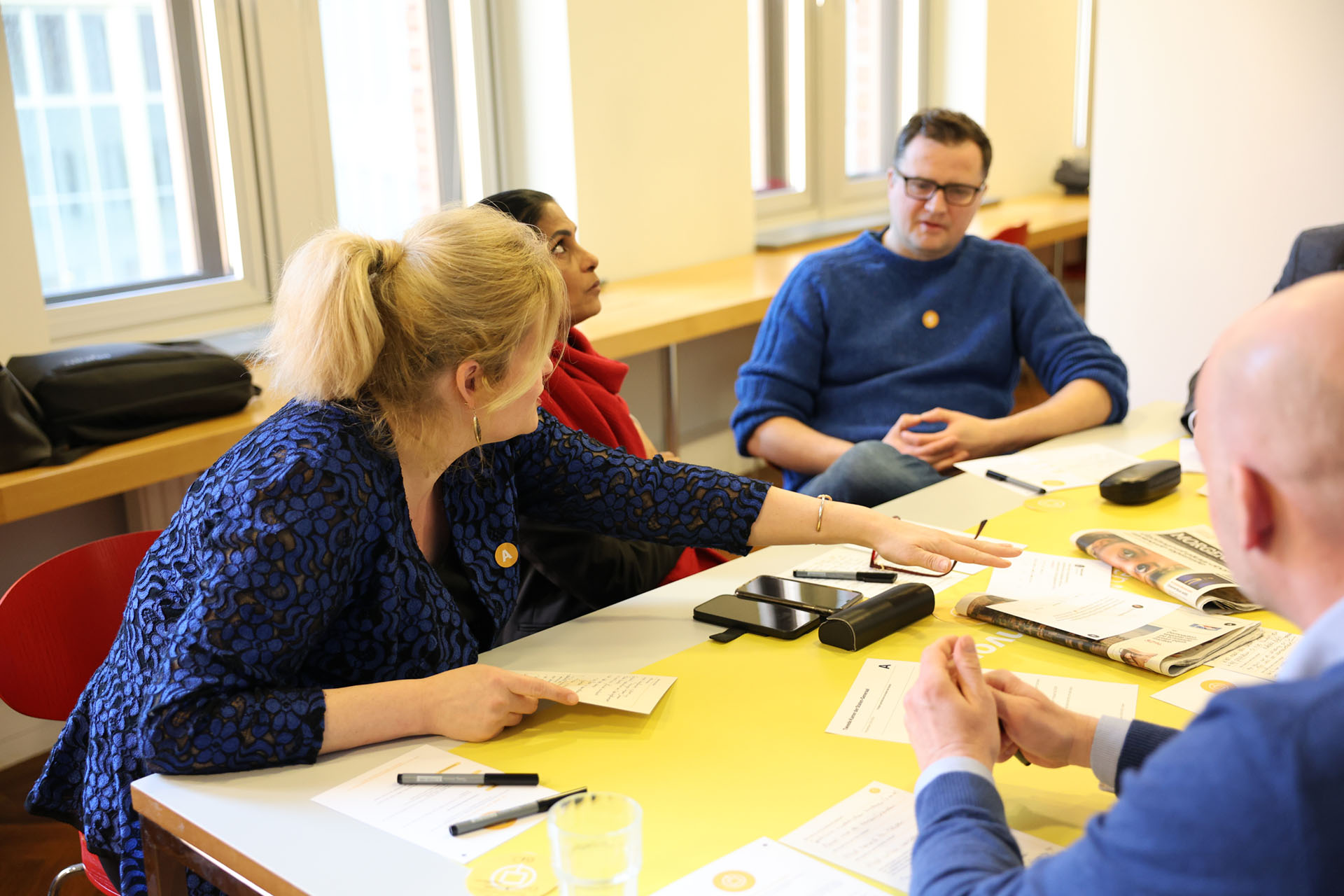
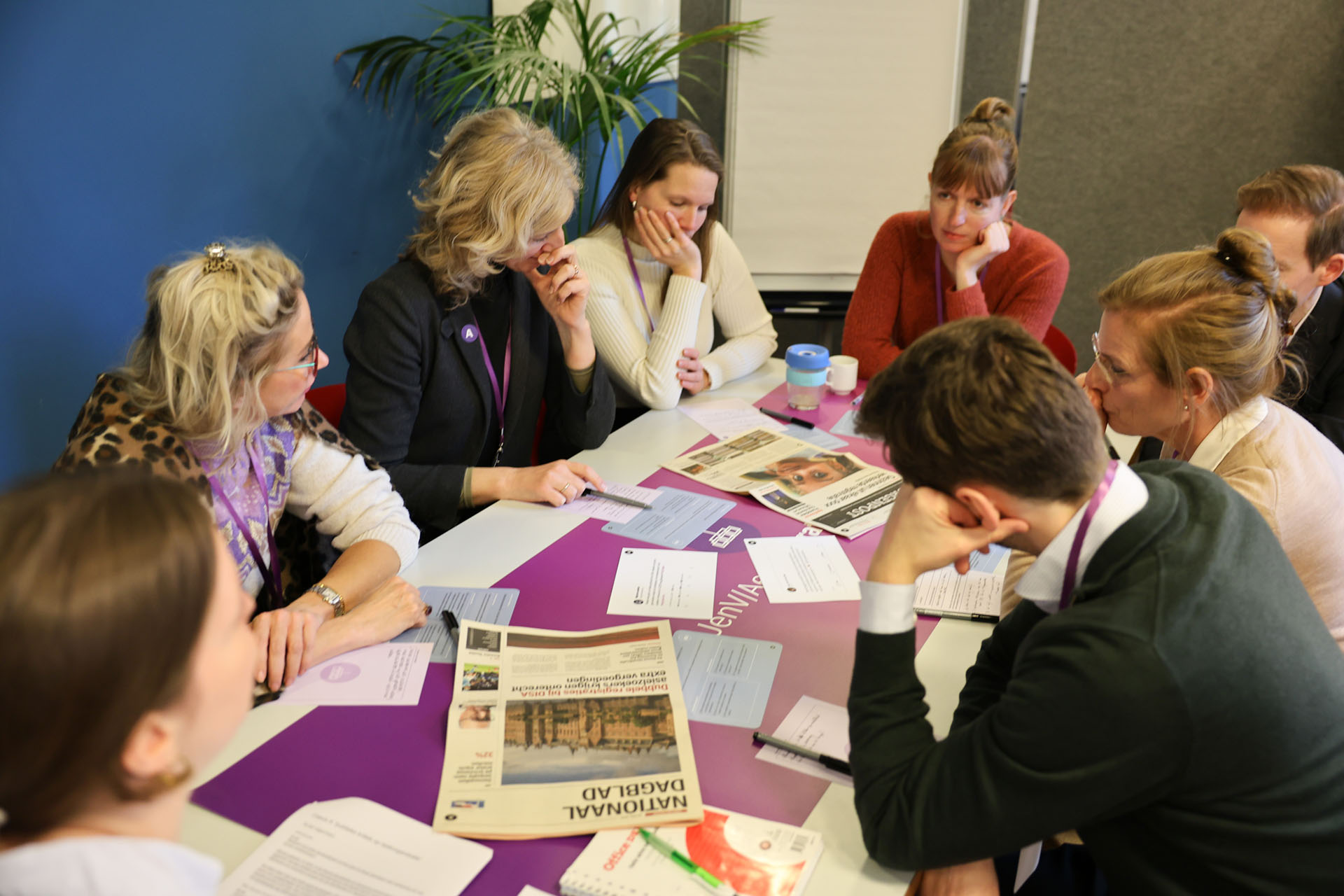
The Ministry’s innovation and strategy team approached Futurall and Komovo to help them test out future scenarios for how the Ministry could operate differently in the future, following different cost-cutting strategies. Our goal was to involve as many civil servants as possible, from all layers of the organisation, within a tight timeframe.

Together with the innovation and strategy team, we created four future scenarios:

  • Trust: A trusting government that shifts from control to empowerment, enabling professionals and society to make responsible choices together.
  • Strategic: A strategic government that sets bold direction, empowers others to deliver, and uses innovation and insight to steer society toward long-term impact.
  • Simplicity: A simple, AI-enabled government that focuses on citizens, collaboration, and cutting unnecessary complexity.
  • Focus: A highly focused government that limits its scope to core responsibilities and maintains a clear, hierarchical structure.

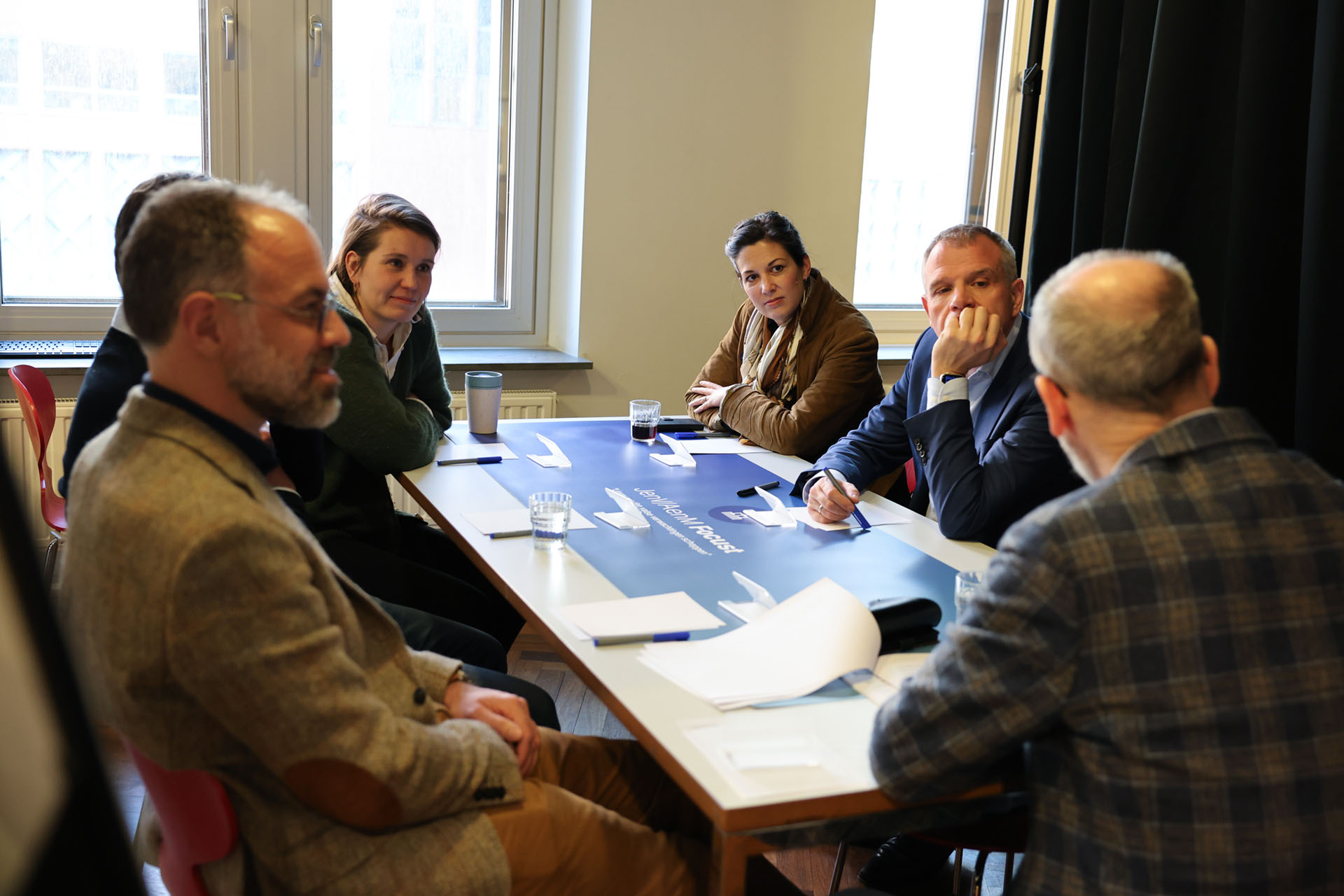
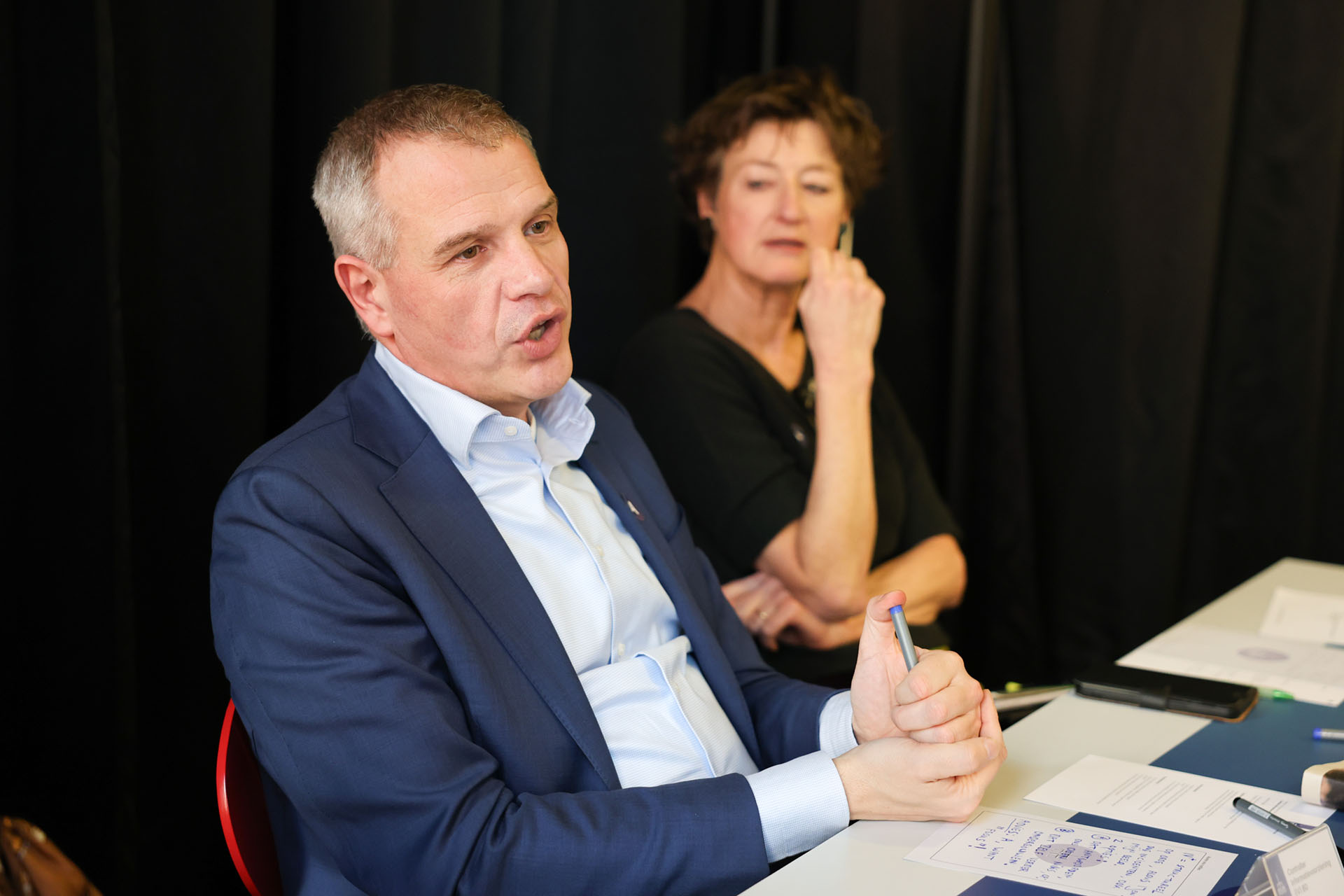
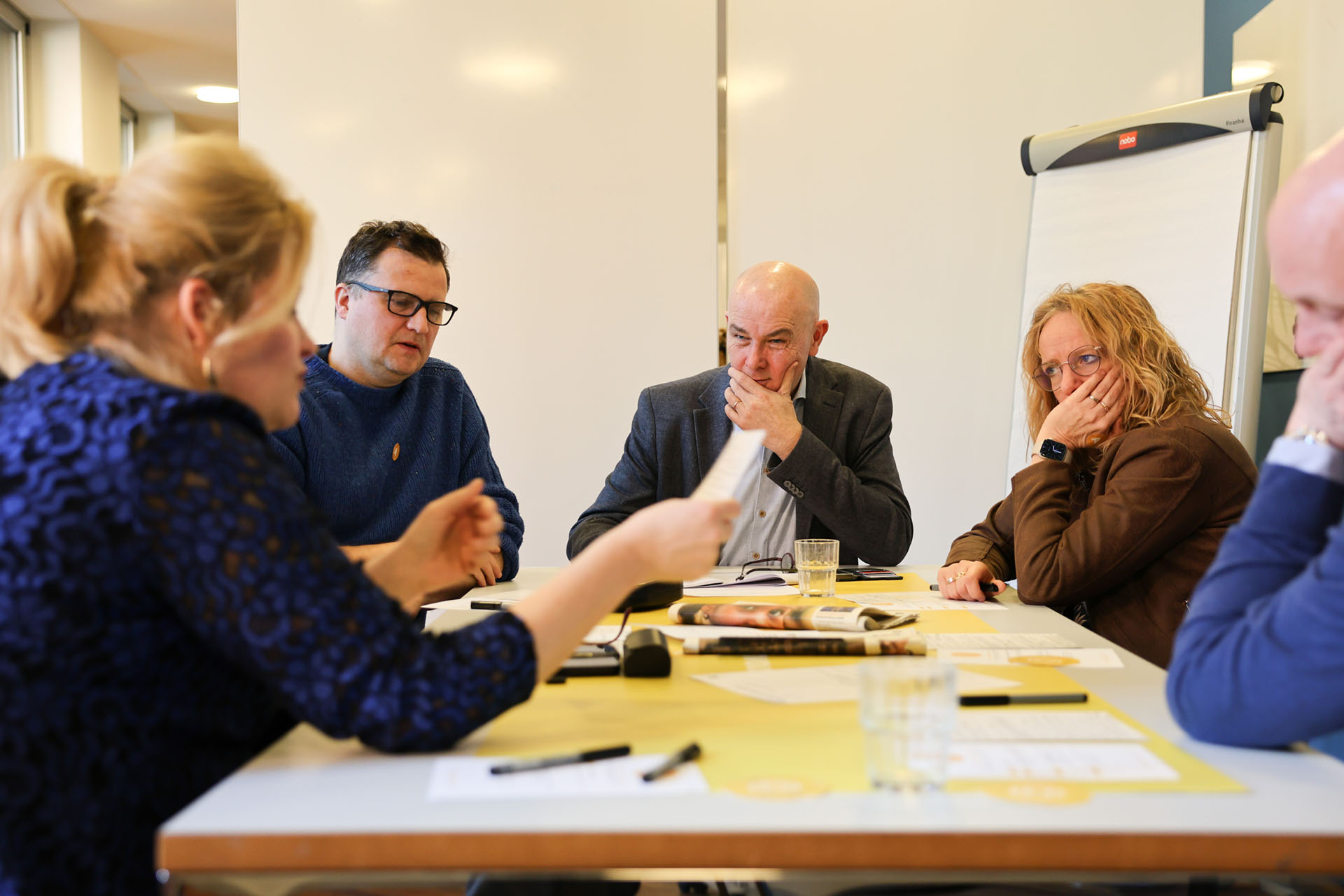
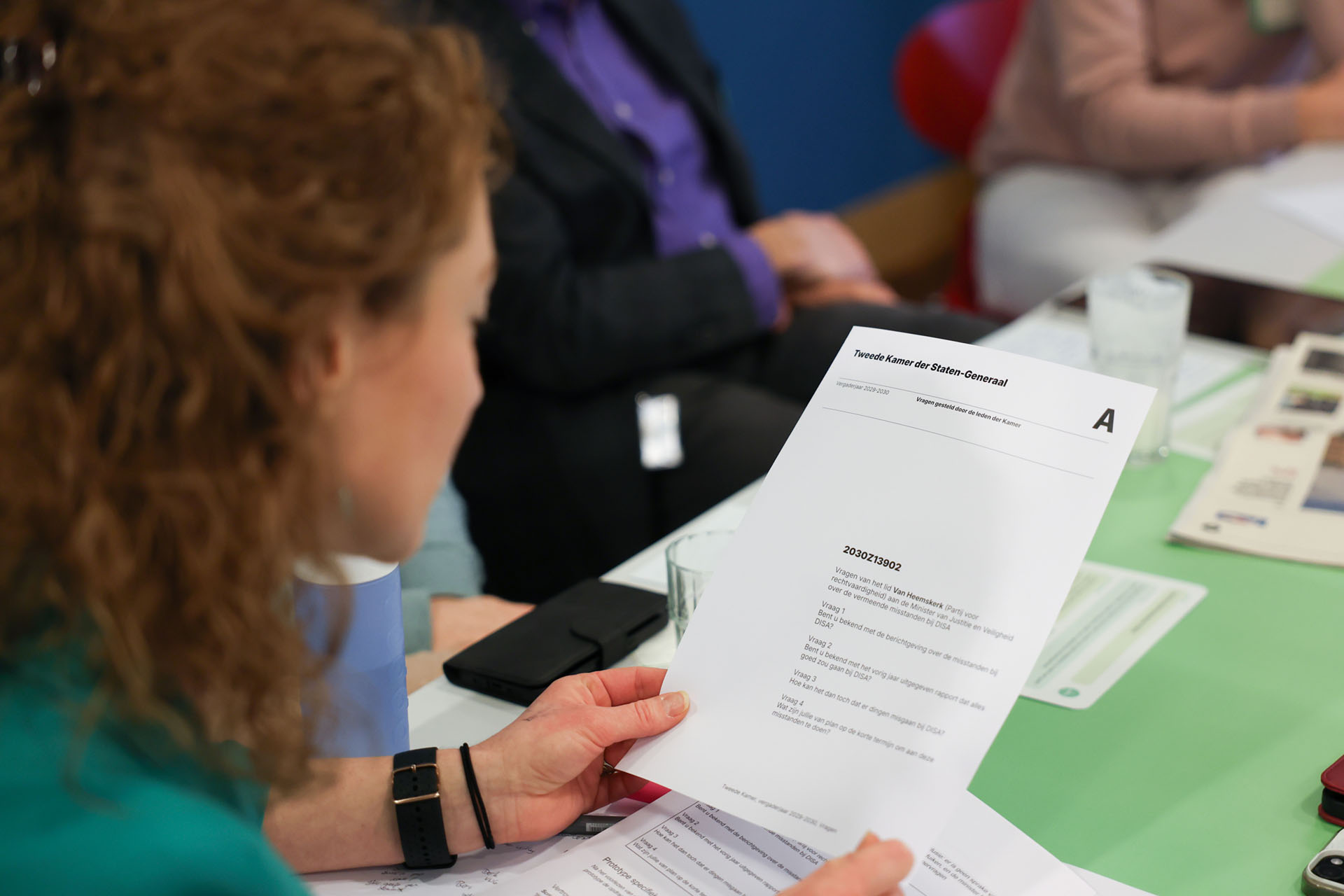
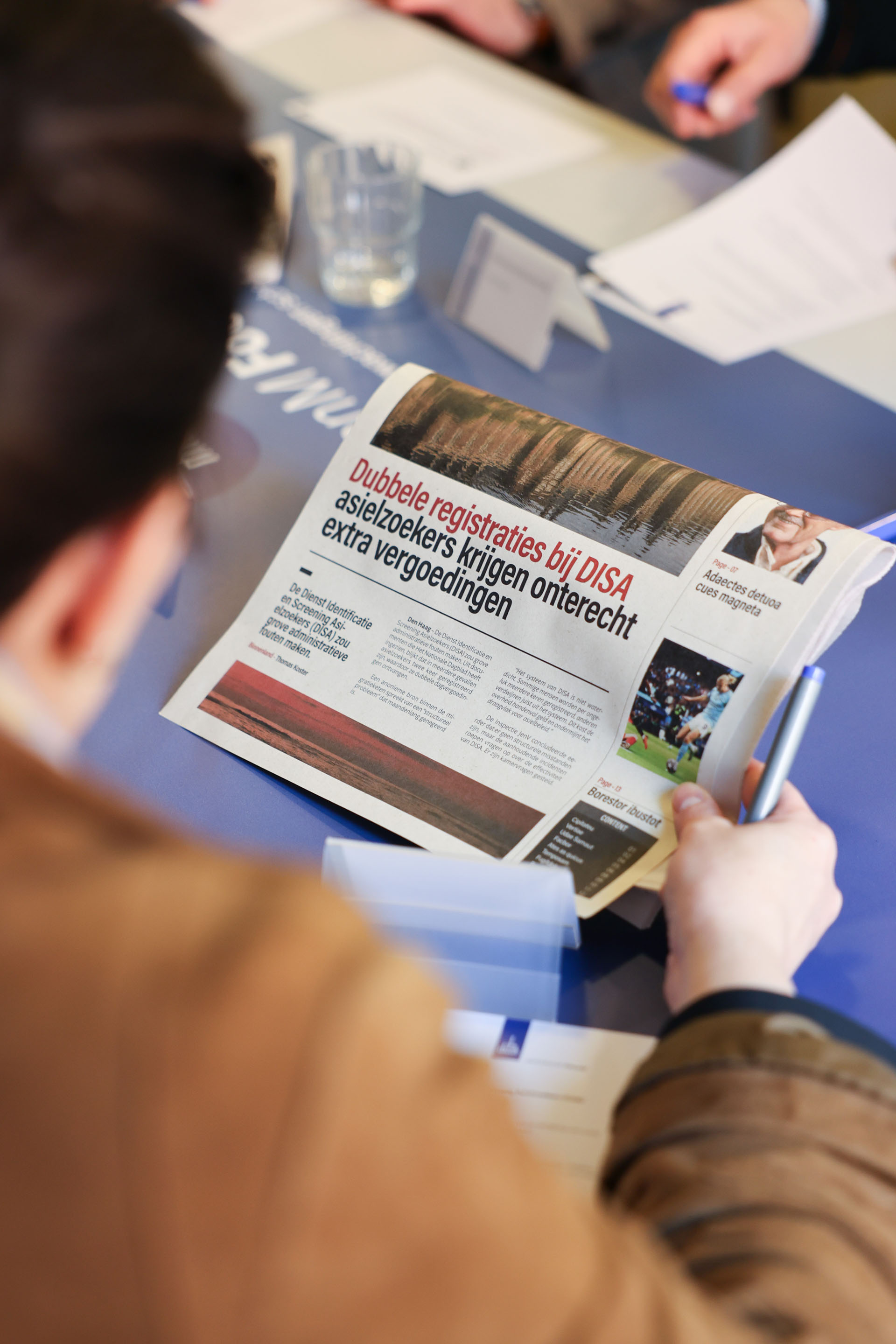
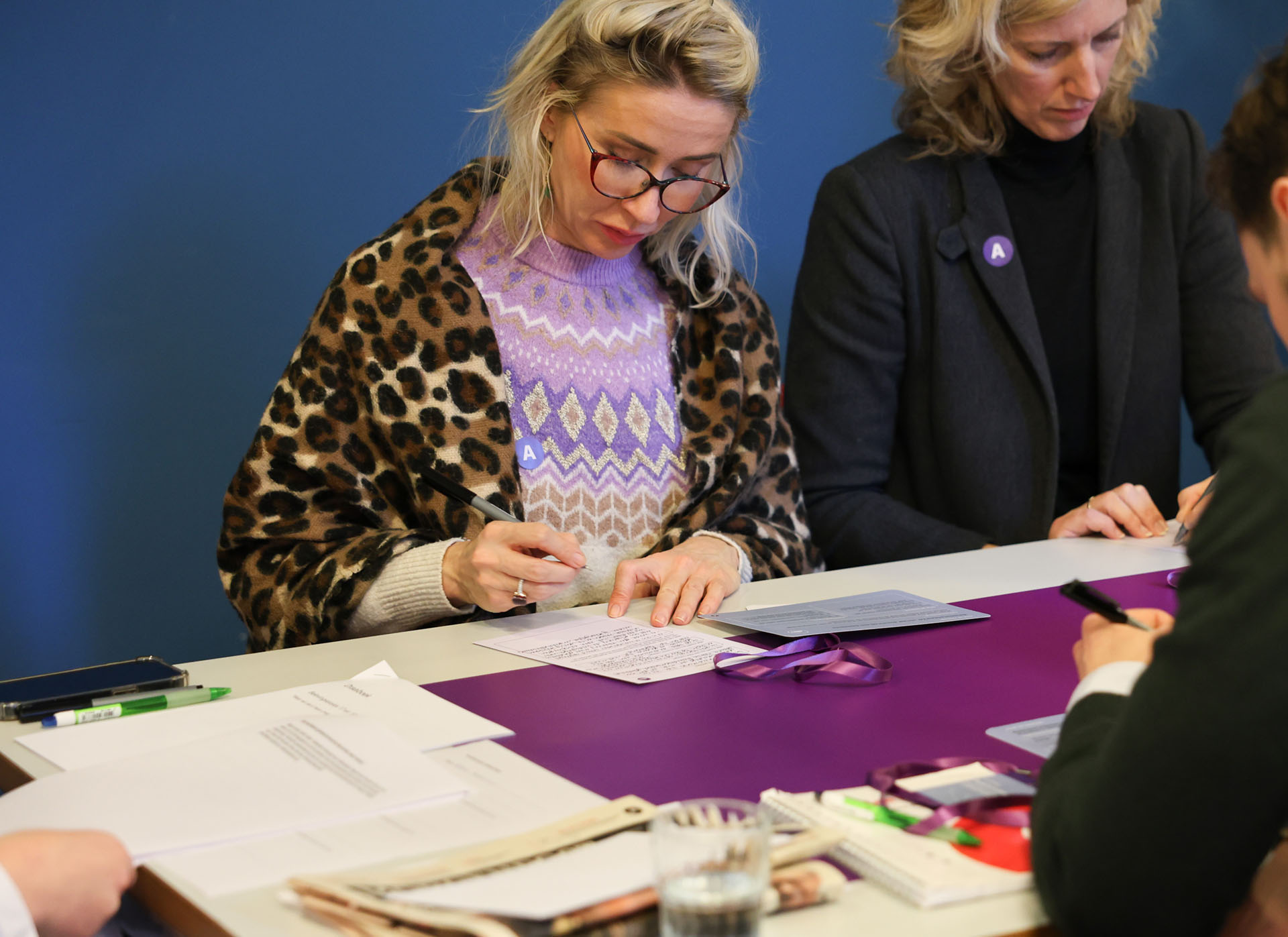
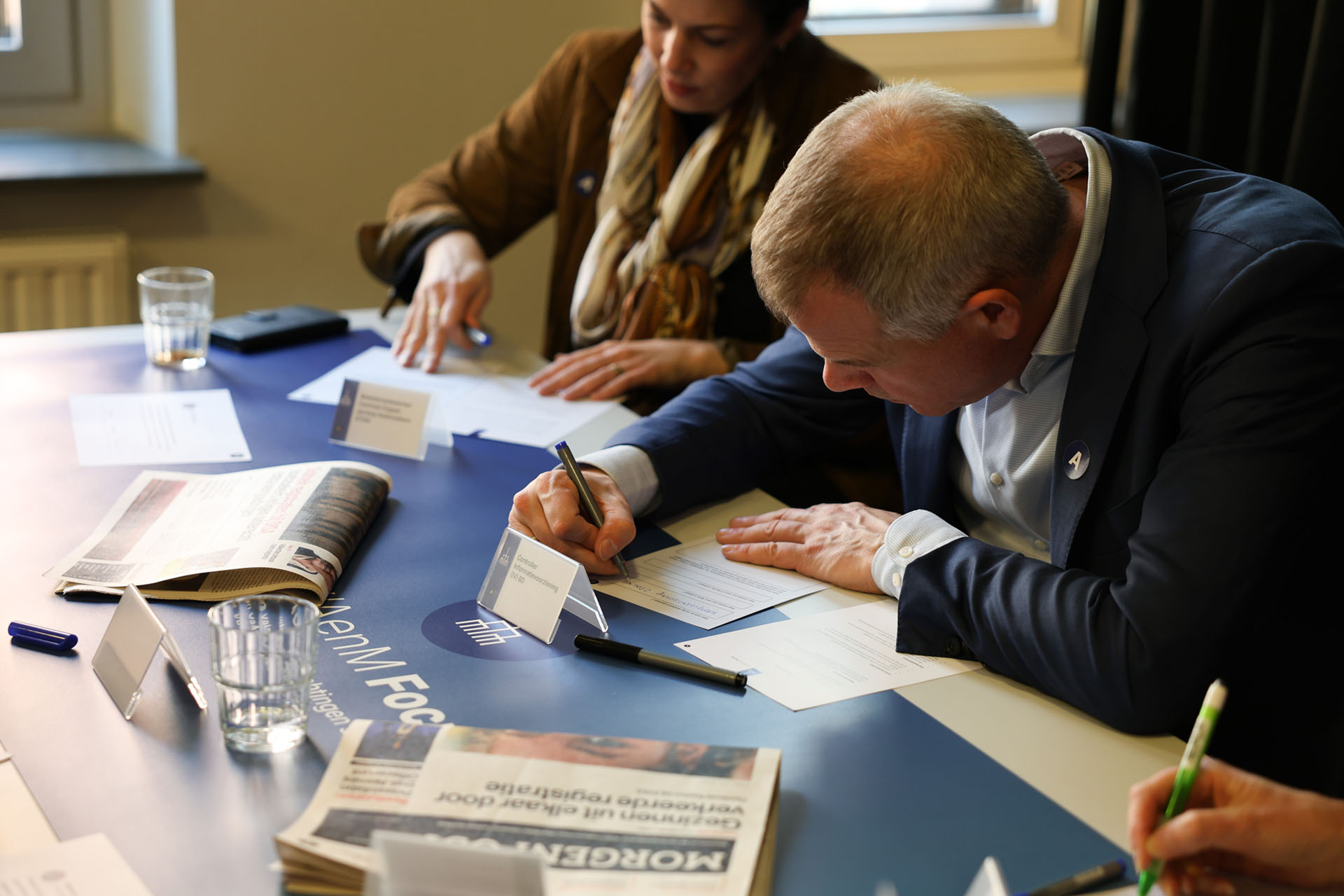
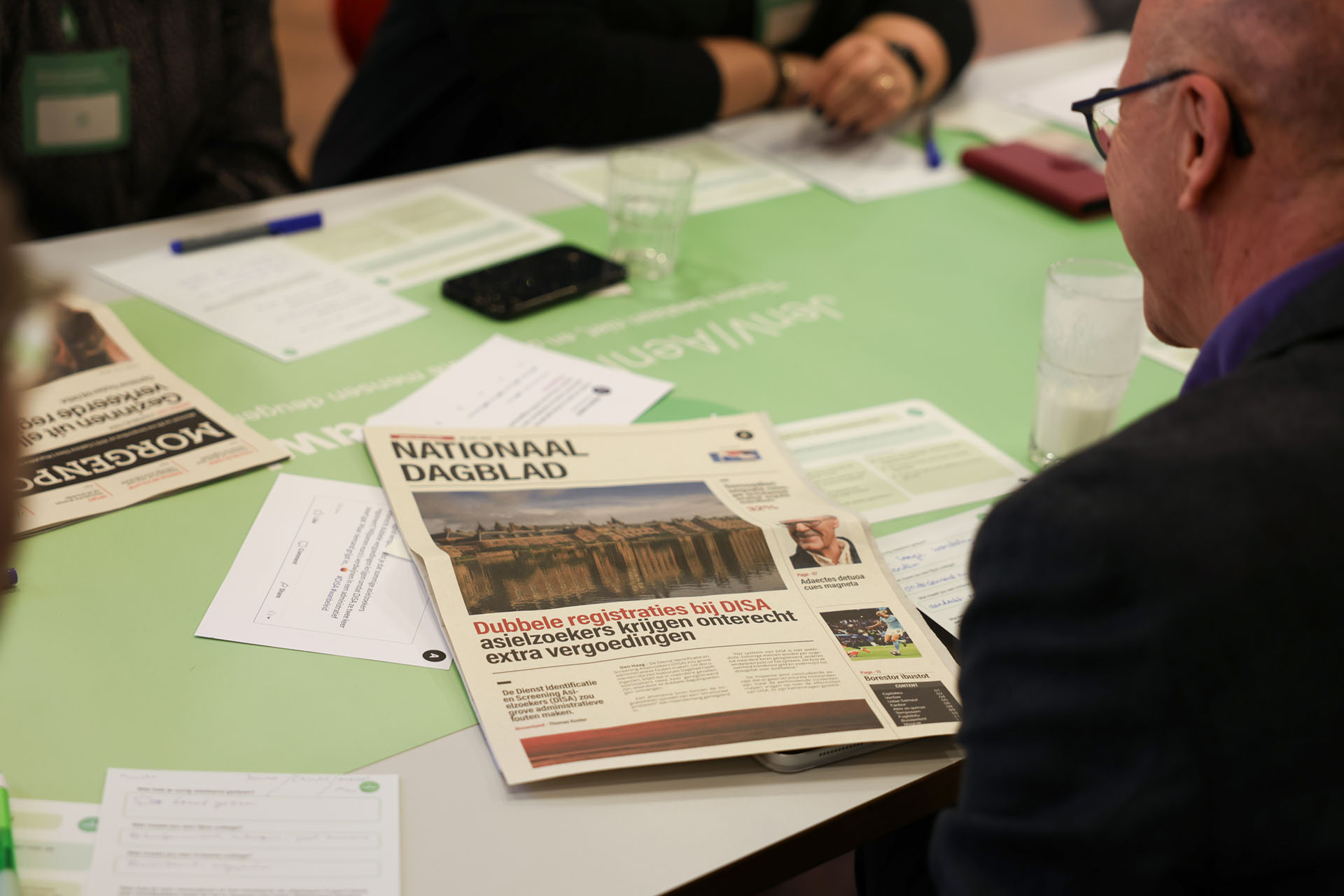
Then, we designed a role play game which simulated what decision-making might look like in each of these future scenarios. Each player received a new role in their future organization, attended a fictional meeting, and was tasked to work together with the other players to answer fictional questions from the press or from the Dutch parliament.

Over two days, between 50 and 75 civil servants took part in the role play game, including decision-makers.

We were surprised how quickly most participating civil servants adapted to their future roles, and were able to argue for their fictional interests with passion within the context of the game. Working with these future scenarios, made it possible to engage a wide group of people in an imaginative way because it allowed people to engage with the topic, bypassing the fear of losing a job or facing a change in their personal work life.

After the game, though, it was sometimes difficult for civil servants to truly believe that their organisation might truly look different. Some quickly reverted back to a conservative this is how it has always been mindset while reflecting on questions related to the coming reorganisation.

Through this short engagement we planted seeds for what the Ministry’s organisational culture could look and feel like in the future; and helped test and evidence an alternative proposal for the Ministry’s reorganization strategy.

In collaboration with Komovo

Food systems change compass Food systems change compass
A playful tool to find your role in the food transition
Fenland FuturesFenland Futures
Using medieval manuscripts to imagine resilient futures
Welcome to the bio-ageWelcome to the bio-age
Communicating futures of the Bioeconomy